Table of Contents
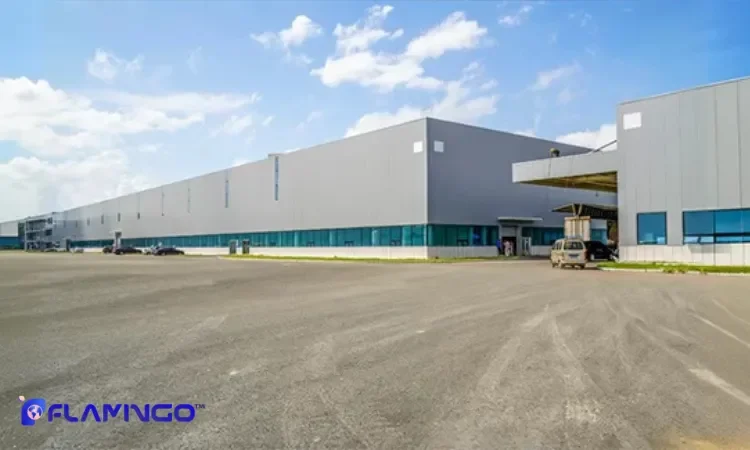
Warehouse construction in Oman has become a strategic investment opportunity due to the country’s growing logistics sector, strong infrastructure development, and government focus on economic diversification. Positioned as a gateway between Asia, Africa, and the Middle East, Oman offers unique advantages for businesses seeking to establish logistics hubs, industrial storage facilities, or distribution centers.
With the expansion of ports such as Sohar, Duqm, and Salalah, as well as free zones and industrial estates, demand for modern warehouse buildings in Oman is increasing rapidly. Investors, manufacturers, and logistics companies are looking for reliable information on warehouse design standards, construction costs, legal requirements, and execution models.
This guide provides a complete and practical overview of warehouse construction in Oman, covering types of warehouses, technical design principles, regulatory frameworks, cost factors, construction timelines, and contractor selection. Whether you are planning a logistics warehouse, industrial facility, or cold storage unit, this pillar page will help you make informed decisions.
Types of Warehouses in Oman
Different industries require different warehouse solutions. Understanding the main types of warehouses in Oman is essential before starting the design and construction process.
Logistics Warehouses
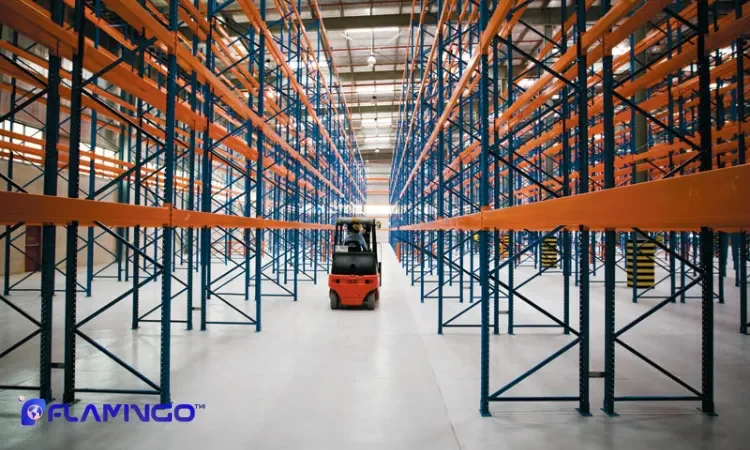
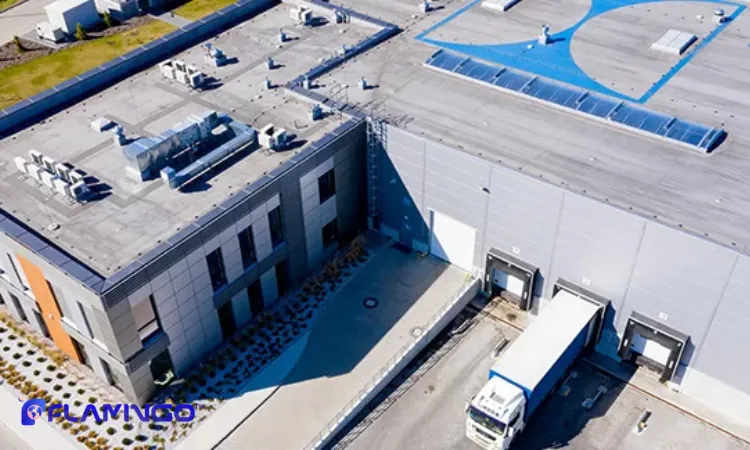
Logistics warehouses in Oman are designed for storage, handling, and distribution of goods across domestic and international markets. These facilities are commonly located near ports, highways, and free zones.

Key features include:
- High clear height for racking systems
- Large loading docks and truck maneuvering areas
- Advanced inventory management layouts
- Fire safety and ventilation systems
Logistics warehouse construction in Oman is especially popular in Sohar and Duqm due to their proximity to major trade routes.
Cold Storage Warehouses
Cold storage warehouses are essential for food, pharmaceuticals, and agricultural products. These facilities require specialized construction methods to maintain controlled temperatures.
Important considerations include:
- Thermal insulation and vapor barriers
- Refrigeration and backup power systems
- Hygienic flooring and wall materials
- Compliance with food safety regulations
Cold storage warehouse construction in Oman is growing rapidly due to increased food imports and export-oriented agriculture.
Industrial Warehouses
Industrial warehouses are used for manufacturing support, raw material storage, and equipment housing. These warehouses often require heavy-duty structural systems.
Typical characteristics:
- Reinforced concrete or steel structures
- High load-bearing floors
- Integrated workshops or production areas
- Utility connections for machinery
Industrial warehouse projects are common in Omani industrial zones and manufacturing clusters.
Distribution Centers
Distribution centers are designed for fast order fulfillment and regional distribution. These facilities combine storage with sorting, packaging, and dispatch operations.
Distribution warehouse construction in Oman focuses on:
- Optimized internal flow
- Automation-ready layouts
- Dock leveling systems
Scalability for future expansion
Warehouse Design Standards in Oman
Warehouse design in Oman must balance operational efficiency, safety, and compliance with local regulations while considering climate conditions.
Structural Design Requirements
Warehouses in Oman are typically constructed using steel frame or reinforced concrete systems. Structural design must account for:
- Wind loads and seismic considerations
- Roof spans and column spacing
- Floor load capacity based on storage type
High-quality structural engineering is critical for long-term durability and safety.
Climate and Environmental Considerations
Oman’s hot climate significantly impacts warehouse design. Proper planning helps reduce energy consumption and operational costs.
Key design strategies include:
- Insulated roofing and walls
- Natural ventilation and heat extraction systems
- Solar shading and reflective materials
Sustainable warehouse construction is increasingly encouraged in Oman’s industrial developments.
Internal Layout Optimization
Efficient internal design improves productivity and reduces handling costs.
Important layout elements:
- Racking system compatibility
- Clear circulation paths
- Dedicated loading and unloading zones
- Safety clearances and emergency exits
Professional warehouse design ensures maximum space utilization without compromising safety.
Legal Regulations & Permits
Understanding legal regulations is one of the most critical steps in warehouse construction in Oman.
Construction Permits and Approvals
Before construction begins, developers must obtain approvals from relevant authorities, including:
- Municipality approvals
- Civil defense clearance
- Environmental permits
- Industrial or free zone authority approvals
Permit requirements vary depending on location and warehouse type.
Zoning and Land Use Regulations
Warehouse construction is only permitted in designated industrial, logistics, or commercial zones. Land zoning must align with the intended warehouse function.
Failure to comply with zoning laws can result in project delays or penalties.
Safety and Fire Protection Regulations
Warehouses in Oman must comply with strict fire safety and occupational health standards.
Mandatory requirements include:
- Fire alarm and sprinkler systems
- Emergency exits and signage
- Fire-resistant materials
- Civil defense inspections
Compliance with these regulations is non-negotiable and directly impacts project approval.
Warehouse Construction Cost in Oman
Warehouse construction cost in Oman varies depending on several technical and commercial factors.
Key Cost Factors
Major factors influencing warehouse building cost include:
- Land location and preparation
- Warehouse type and size
- Structural system (steel or concrete)
- Mechanical and electrical systems
- Finishing and automation level
Logistics and cold storage warehouses typically cost more than basic industrial storage facilities.
Estimated Cost Range
While exact prices depend on specifications, general cost ranges for warehouse construction in Oman include:
- Basic industrial warehouse: lower cost range
- Logistics warehouse: mid-range investment
- Cold storage warehouse: higher cost due to specialized systems
A detailed feasibility study is essential to determine accurate budgeting.
Cost Optimization Strategies
Investors can reduce construction costs by:
- Optimizing design efficiency
- Selecting appropriate construction methods
- Using EPC or design-build contracts
- Planning for future expansion during initial construction
Professional cost planning minimizes unexpected expenses.
EPC vs Design-Build Warehouses
Choosing the right project delivery model has a significant impact on cost, timeline, and risk.
EPC (Engineering, Procurement, Construction)
In an EPC contract, a single contractor handles design, material procurement, and construction.
Advantages include:
- Single point of responsibility
- Fixed budget and timeline
- Reduced client coordination effort
EPC is ideal for large-scale warehouse projects in Oman.
Design-Build Model
In the design-build approach, design and construction are integrated but may offer more flexibility.
Benefits include:
- Faster project delivery
- Collaborative design optimization
- Cost savings through early contractor involvement
Design-build warehouses are suitable for customized or phased developments.
Timeline & Construction Phases
Warehouse construction in Oman follows a structured timeline from concept to completion.
Pre-Construction Phase
This phase includes:
- Feasibility studies
- Conceptual and detailed design
- Permit acquisition
- Budget approval
Proper planning during this stage prevents costly delays.
Construction Phase
The main construction stage involves:
- Site preparation and foundations
- Structural erection
- Roofing and cladding
- Mechanical, electrical, and plumbing works
Construction duration depends on warehouse size and complexity.
Testing and Handover
Before operation, warehouses undergo:
- Safety inspections
- System testing
- Final authority approvals
- Client handover
A smooth handover ensures immediate operational readiness.
Why Choose a Professional Warehouse Contractor in Oman
Selecting the right warehouse contractor is crucial for project success.
Local Expertise and Compliance
Professional contractors understand:
- Omani regulations and approval processes
- Local climate and construction conditions
- Authority requirements and inspections
Local expertise reduces risk and accelerates project delivery.
Integrated Design and Construction Capability
Experienced warehouse contractors offer:
- In-house engineering and design
- Cost control and scheduling
- Quality assurance systems
An integrated approach ensures efficiency and accountability.
Long-Term Value and Reliability
A professional contractor focuses on:
- Durable construction materials
- Future scalability
- Operational efficiency
Investing in expert warehouse construction services in Oman results in long-term performance and return on investment.