Table of Contents
Oman has emerged as one of the most promising destinations for foreign investors seeking stable, long-term opportunities in the agriculture and fisheries sectors. With a strong national focus on food security, economic diversification, and sustainable development, the Sultanate is actively encouraging agriculture investment in Oman through attractive incentives, modern infrastructure, and investor-friendly regulations.
This comprehensive guide explores investment opportunities in Oman’s agriculture and fisheries sectors, including government incentives, ideal locations, legal frameworks, costs, risks, and future growth prospects beyond 2026.
Why Invest in Agriculture in Oman?
Agriculture investment in Oman is no longer a traditional or low-growth activity. Instead, it has become a strategic pillar of the country’s Vision 2040, aimed at reducing dependence on food imports and strengthening non-oil sectors.
Oman’s government recognizes agriculture and fisheries as critical components of national food security. As a result, foreign investors benefit from policy support, subsidies, and long-term development plans that make the sector increasingly profitable and resilient.

Key reasons to invest include:
- Rising domestic demand for fresh and processed food
- Strategic access to GCC, Asian, and African markets
- Political and economic stability
- Favorable foreign investment laws
- Growing emphasis on sustainable and smart agriculture
Overview of Oman’s Agriculture & Fisheries Sector
Although Oman has an arid climate, the country has successfully developed efficient agricultural systems using advanced irrigation, greenhouse farming, and water management technologies.
Agriculture and fisheries together contribute significantly to employment and rural development while playing a growing role in non-oil GDP. Fisheries, in particular, are among Oman’s strongest natural advantages due to its long coastline and rich marine biodiversity.
The government has invested heavily in:
- Modern fishing ports
- Cold storage and processing facilities
- Agricultural research and development
- Training programs for farmers and aquaculture operators
These initiatives have created a solid foundation for foreign participation in the sector.
Key Agriculture Investment Opportunities in Oman
Crop Farming & Greenhouse Projects
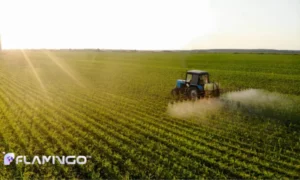
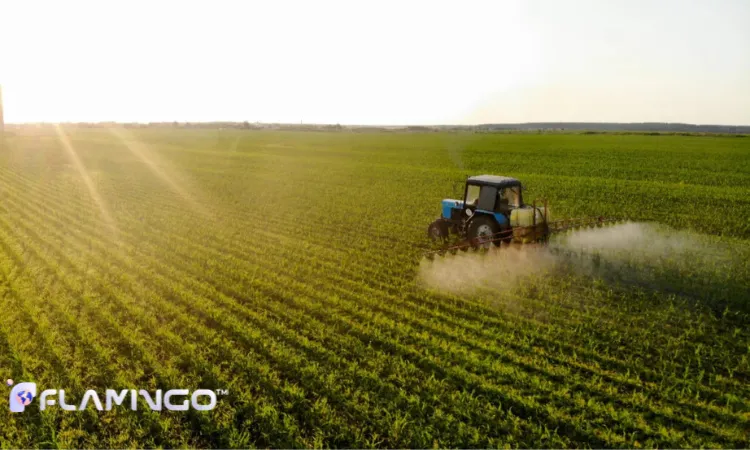
Crop farming remains one of the most accessible and scalable forms of agriculture investment in Oman, attracting both regional and international investors. The country’s agricultural market shows strong demand for a wide range of products, including dates, tomatoes, cucumbers, peppers, leafy greens, and selected tropical fruits. These crops are well suited to Oman’s growing conditions when supported by modern farming techniques and efficient irrigation systems.
Greenhouse farming, in particular, has become highly attractive due to its ability to significantly reduce water consumption while enabling stable, year-round production. By creating controlled growing environments, greenhouse projects deliver higher yields per square meter compared to open-field farming and allow investors to maintain consistent quality regardless of seasonal climate variations. In addition, greenhouse systems are fully compatible with advanced technologies such as hydroponics, climate control, and smart monitoring solutions, which further enhance productivity and resource efficiency.
Investors who focus on export-oriented crop production gain an added advantage from Oman’s strategic location. Proximity to major ports and free zones facilitates efficient logistics, reduces transportation costs, and provides direct access to GCC, Asian, and African markets, making crop farming and greenhouse projects a strong cornerstone of agriculture investment in Oman.
Livestock & Dairy Farming
Livestock farming in Oman is growing steadily, supported by increasing demand for meat, poultry, and dairy products. The government encourages modern, large-scale operations that improve productivity and biosecurity.
Investment opportunities include:
- Dairy farms and milk processing plants
- Poultry production and egg farming
- Animal feed manufacturing
Foreign investors with experience in agribusiness and food processing can establish vertically integrated operations with strong profit potential.
H3: Fisheries & Aquaculture Investment in Oman
Fisheries investment in Oman is one of the most lucrative sub-sectors, thanks to abundant marine resources and strong export demand.
Aquaculture projects focus on:
- Shrimp farming
- Sea bream and sea bass
- Abalone and high-value fish species
The government provides designated aquaculture zones, technical support, and export facilitation. Oman’s fisheries products are highly sought after in Asian and European markets due to quality and sustainability standards.
Government Incentives for Agriculture Investment in Oman
To attract foreign capital and accelerate development in the agriculture and fisheries sectors, Oman offers a comprehensive package of incentives designed to reduce investment risk and improve long-term profitability. One of the most significant advantages is the allowance of 100 percent foreign ownership in most agricultural and fisheries activities, enabling international investors to retain full control over their projects.
Investors may also benefit from corporate tax exemptions that can extend for up to ten years and, in certain cases, be renewed depending on the project’s strategic importance. In addition, customs duty exemptions are commonly granted for the import of agricultural machinery, equipment, and production inputs, significantly lowering initial setup costs. The government further supports investors through subsidized land leases for farming and aquaculture projects, making access to suitable land more affordable, particularly for large-scale or long-term developments.
Approved agriculture projects can also take advantage of low-cost utilities, including water and electricity, which are critical cost factors in this sector. Furthermore, investors who establish their operations within Oman’s free zones may receive additional benefits such as extended tax holidays, streamlined licensing processes, and simplified regulatory procedures, creating an even more attractive environment for agriculture investment in Oman.
Best Locations for Agricultural Investment in Oman
Choosing the right location plays a key role in the success of agriculture investment in Oman, as it affects production costs, logistics, and market access. The country offers both free zones and established agricultural regions that suit different investment models.
Free Zones:
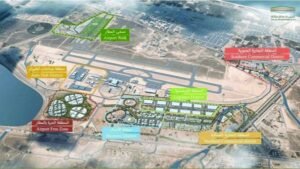
Oman’s free zones are ideal for export-oriented and large-scale agricultural projects. Duqm Free Zone is well suited for agribusiness and aquaculture due to its vast land availability and direct port access. Sohar Free Zone offers strong logistics infrastructure and close links to industrial markets, making it suitable for agri-processing and distribution. Salalah Free Zone benefits from a major port and an active agricultural hinterland, supporting efficient export of agricultural products.
Agricultural Regions:
Several regions in Oman are known for their agricultural potential. Al Batinah is one of the most productive farming areas, supported by fertile land and proximity to major cities. Dhofar offers favorable climatic conditions and seasonal rainfall, allowing a wider range of crops. Al Sharqiyah provides access to arable land, local farming expertise, and reasonable connectivity to ports, making it another viable option for agricultural investment.
Legal Framework & Company Registration
Foreign investors can establish agricultural businesses in Oman through several legal structures, including:
- Limited Liability Company (LLC)
- Branch of a foreign company
- Free zone entity
The registration process typically involves:
- Reserving a company name
- Obtaining initial approvals
- Securing agricultural or fisheries licenses
- Registering with relevant authorities
Oman’s streamlined online systems have significantly reduced setup time, often completing registration within a few weeks.Choosing the right legal structure is vital for long-term compliance and tax efficiency. Learn more about the differences in our article on types of companies in Oman and their legal structures
Costs & Expected ROI
The cost of agriculture investment in Oman varies depending on the scale of the project, its geographic location, and the level of technology applied. Smaller traditional farming operations typically require lower initial capital, while modern greenhouse, aquaculture, or integrated agribusiness projects involve higher upfront investment but offer stronger long-term returns.
Key cost elements generally include land leasing or facility rental, the purchase of agricultural equipment and machinery, investment in irrigation and greenhouse systems, and ongoing labor and operational expenses. Advanced technologies such as hydroponics, climate control, and automation may increase initial costs but often lead to greater efficiency and lower operating expenses over time.
Although initial capital expenditure can range from moderate to high, many agricultural projects in Oman reach profitability within three to five years, particularly those focused on export markets or value-added processing. Return on investment improves significantly when investors adopt an integrated approach that combines production, processing, storage, and distribution, allowing greater control over the value chain and higher overall margins.
The cost of agriculture investment in Oman varies depending on the scale and technology of the project. While operational expenses are a major factor, understanding the administrative setup prices is the first step for any investor. For a detailed breakdown of these initial expenses, check our guide on how much company registration cost in Oman?
Sustainability & Smart Agriculture in Oman
Sustainability is a central theme in Oman’s agricultural strategy. The government actively promotes:
- Water-efficient irrigation
- Renewable energy use
- Precision agriculture
- Digital monitoring systems
Smart agriculture not only reduces costs but also enhances productivity and environmental resilience. Investors adopting modern technologies gain a competitive advantage and align with Oman’s long-term development goals.
Challenges & Risk Factors
Like any investment, agriculture investment in Oman involves several challenges that investors should carefully assess. Understanding these risk factors and planning appropriate mitigation strategies is essential for long-term success.
Limited Freshwater Resources
Water scarcity is one of the most significant challenges in Oman due to its arid climate. Investors must rely on efficient irrigation systems, water recycling, and technologies such as drip irrigation or hydroponics to minimize water consumption and ensure sustainable operations.
High Temperatures in Some Regions
Extreme heat in certain parts of the country can affect crop productivity and increase operational costs. This challenge can be managed through climate-controlled greenhouses, heat-resistant crop varieties, and optimized production schedules.
Dependence on Skilled Labor
Modern agricultural projects require technical expertise in areas such as greenhouse management, aquaculture, and agri-technology. Access to skilled labor can be addressed through training programs, hiring experienced professionals, and partnering with local institutions.
Initial Capital Requirements
Advanced agricultural and fisheries projects often require substantial upfront investment, particularly for technology and infrastructure. Careful financial planning, phased project implementation, and utilization of government incentives can help reduce financial pressure and improve project viability.
Despite these challenges, effective use of technology, thorough planning, and collaboration with local partners and authorities can significantly reduce risks and enhance the overall success of agriculture investment in Oman.
Future Outlook of Agriculture Investment in Oman (2026+)
The outlook for agriculture and fisheries investment in Oman is highly positive. National food security strategies, population growth, and export demand will continue to drive expansion.
Key future trends include:
- Growth in aquaculture production
- Expansion of agri-processing industries
- Increased use of AgriTech and automation
- Stronger integration with global food supply chains
By 2030, Oman aims to become a regional hub for sustainable food production and export.
Conclusion: Is Agriculture Investment in Oman Worth It?
For investors seeking long-term, stable, and impact-driven opportunities, agriculture investment in Oman offers a compelling proposition. With strong government support, strategic location, and growing domestic and international demand, the sector presents both financial and strategic value.
Whether in crop farming, livestock, or fisheries, Oman provides a balanced environment where profitability aligns with sustainability and national development goals.