Roads in Oman are categorized based on function, location, and design standards. Selecting the appropriate road type ensures operational efficiency, safety, and long-term durability.
Highways
Highways are high-capacity roads designed for long-distance travel and high-speed traffic. They connect major cities, ports, and industrial hubs.

Key features include:
- Multiple lanes with median dividers
- Grade-separated intersections and interchanges
- High-quality asphalt or concrete pavements
- Advanced signage, lighting, and safety systems
Highway construction in Oman prioritizes traffic flow efficiency, safety, and durability to withstand heavy vehicles and increasing traffic volumes.
City Roads
City roads facilitate urban mobility, connecting neighborhoods, commercial centers, and public services. They are typically lower speed roads compared to highways but require careful design to handle mixed traffic conditions.
Important considerations include:
- Pavement design to handle local traffic load
- Sidewalks, pedestrian crossings, and drainage systems
- Street lighting, signage, and traffic management systems
- Integration with public transport and parking facilities
Urban road construction emphasizes accessibility, safety, and minimizing disruption to residents.
Rural Roads
Rural roads connect villages, agricultural areas, and remote regions to urban centers. These roads are essential for local communities, trade, and tourism development.
Key features include:
- Flexible pavement design suitable for light to medium traffic
- Minimal environmental disruption
- Basic signage, drainage, and safety measures
- Use of cost-effective construction materials
Rural road projects in Oman often focus on improving accessibility while maintaining environmental and cost efficiency.
Read More :Warehouse Construction in Oman
Road Construction Process & Phases
Road construction is a multi-phase process that requires careful coordination and project management.
Pre-Construction Phase
Key activities include:
- Feasibility studies and traffic analysis
- Topographic and geotechnical surveys
- Environmental and social impact assessments
- Budgeting and project scheduling
- Obtaining permits and approvals
Thorough pre-construction planning minimizes delays, cost overruns, and environmental impact.
Earthwork and Subgrade Preparation
This phase involves:
- Clearing, grubbing, and leveling the site
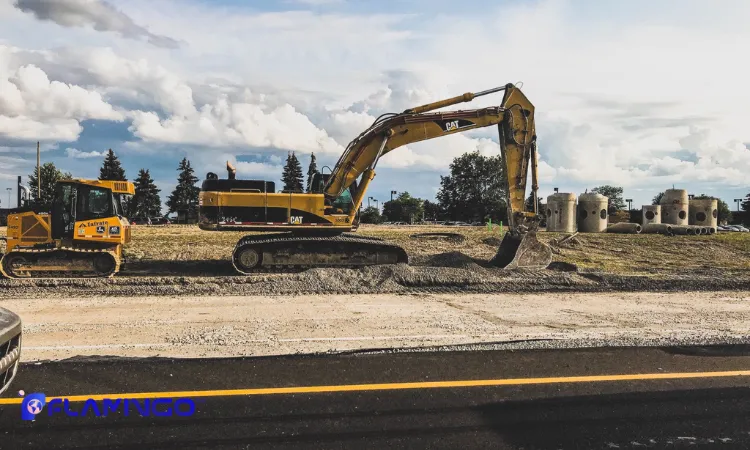
- Excavation and embankment construction
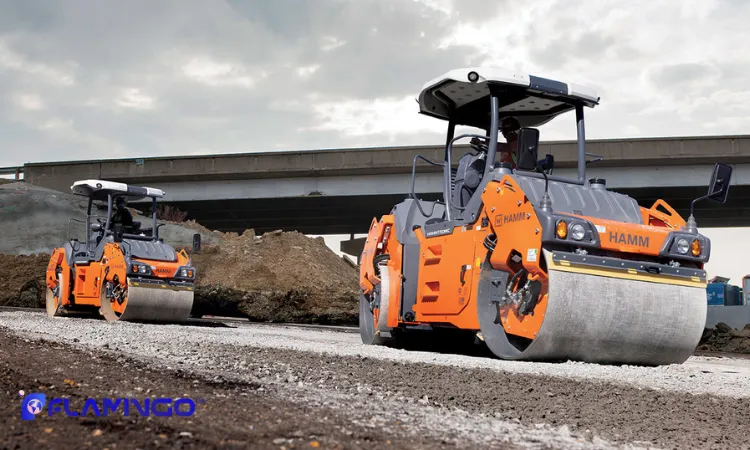
- Soil stabilization and compaction
- Subgrade inspection and testing
A strong subgrade ensures pavement longevity and load-bearing capacity.
Pavement Construction
Pavement layers are constructed sequentially:
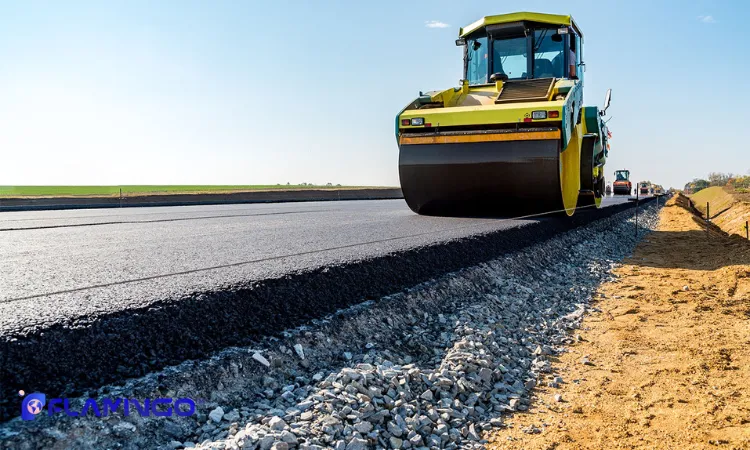
- Sub-base: granular material for support and drainage
- Base course: provides structural strength
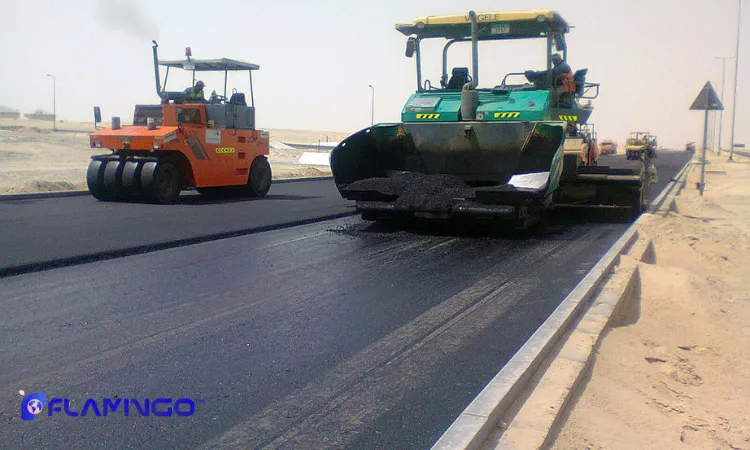
- Surface course: asphalt or concrete layer for smooth, durable travel
Quality control during paving ensures resistance to cracking, rutting, and deformation.
MEP and Ancillary Installations
Road infrastructure includes:
- Lighting and electrical systems
- Traffic management equipment (signals, cameras, sensors)
- Drainage pipes, culverts, and bridges
- Signage and safety devices
Integrating these elements ensures functional, safe, and modern roads.
Testing and Handover
Final inspections include:
- Pavement strength and smoothness tests
- Safety audits and compliance checks
- Environmental compliance verification
- Formal handover to authorities or clients
Proper testing ensures road performance meets design specifications.
Read More :K-Span Steel Structure
Cost of Road Construction in Oman
Road construction costs vary based on road type, design, materials, and site conditions.
Key Cost Factors
Factors affecting cost include:
- Land acquisition and preparation
- Pavement materials and thickness
- Drainage and structural works
- Labor, machinery, and equipment
- Environmental mitigation measures
Estimated Cost Ranges
Approximate investment ranges:
- Highways: high due to multiple lanes, bridges, and advanced materials
- City roads: moderate, depending on urban complexity
- Rural roads: lower cost but may require terrain adaptation
Cost Optimization Strategies
- Value engineering for material selection and design efficiency
- Phased construction to manage cash flow
- Using modern machinery for faster execution
- Engaging experienced contractors for efficient resource management
Permits, Regulations & Legal Requirements
Legal compliance is critical for road construction projects in Oman.
Construction Permits
Developers must obtain approvals from:
- Municipal authorities and governorates
- Ministry of Transport and Communications
- Civil defense and safety authorities
- Environmental regulatory bodies
Land Use and Zoning
Road projects must respect land designation, avoid restricted zones, and consider future urban or industrial expansion.
Safety and Quality Standards
Mandatory standards include:
- Adherence to pavement thickness and material standards
- Traffic safety and signage regulations
- Environmental protection and worker safety compliance
Non-compliance can result in fines, project delays, or suspension.
Environmental Considerations
Sustainable road construction is increasingly important in Oman.
Minimizing Environmental Impact
- Avoiding sensitive habitats and ecosystems
- Controlling dust, noise, and water pollution
- Proper disposal of construction waste
- Reforestation or landscaping after completion
Climate Adaptation
Roads must withstand Oman’s hot climate, occasional heavy rainfall, and desert conditions. Material selection and pavement design account for thermal expansion, water drainage, and sand erosion.
Choosing the Right Construction Company
Selecting an experienced construction company ensures timely, cost-effective, and compliant road construction.
Expertise and Track Record
- Experience with highways, urban, and rural roads
- Knowledge of local regulations and permitting processes
- Skilled project management and engineering teams
Integrated Project Delivery
Companies offering design-build services or EPC contracts reduce coordination challenges and accelerate project delivery.
Quality Assurance and Safety
Professional contractors ensure:
- Compliance with Oman’s road construction standards
- Proper safety protocols for workers and traffic
- Timely delivery within budget and design specifications
Case Studies of Major Road Projects in Oman
Studying successful road projects provides insights into best practices and challenges.
Sohar Expressway
- High-capacity highway connecting industrial zones to the port
- Features multiple lanes, interchanges, and modern pavement
- Emphasized safety, environmental protection, and advanced traffic management
Duqm Road Network
- Connects the Duqm Special Economic Zone with surrounding regions
- Includes bridges, underpasses, and long-span pavements
- Focused on heavy vehicle support and long-term durability
Salalah Coastal Roads
- Scenic routes connecting urban and resort areas
- Integrated with tourism infrastructure and landscape design
- Implemented sustainable drainage and erosion control
These case studies demonstrate the importance of planning, high-quality materials, and professional execution in Oman’s road sector.
Conclusion
Road construction in Oman plays a crucial role in enhancing connectivity, supporting economic growth, and facilitating trade, tourism, and regional development. Successfully executing road projects requires careful planning across multiple phases, including design, earthwork, pavement construction, MEP and ancillary installations, environmental management, and final testing.
Understanding the types of roads—highways, city roads, and rural roads—helps developers, investors, and contractors select the appropriate design, materials, and construction techniques. Compliance with Oman’s regulations, permits, safety standards, and environmental considerations ensures long-term performance, safety, and legal adherence.
Selecting an experienced construction company with local expertise, integrated project delivery, and quality assurance guarantees efficient, cost-effective, and timely project completion. By combining modern engineering practices, sustainable solutions, and professional execution, road construction projects in Oman can deliver lasting value for communities, businesses, and investors.