Table of Contents
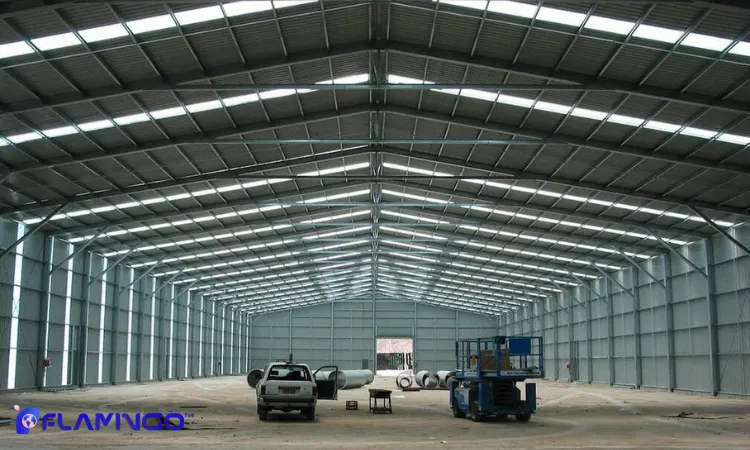
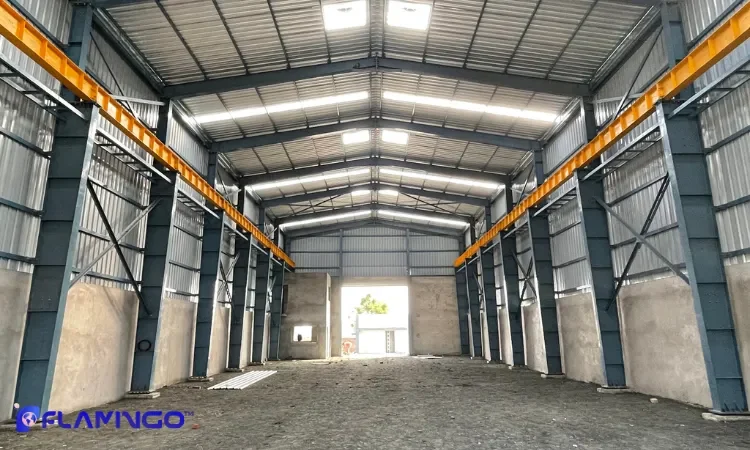
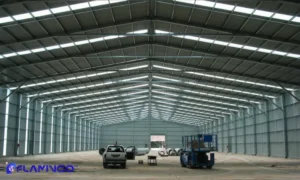
Industrial shed construction refers to the complete process of planning, designing, fabricating, and assembling large-scale industrial structures used for manufacturing, warehousing, logistics, and production facilities. These sheds are engineered to provide wide clear spans, high load-bearing capacity, and long-term durability under demanding industrial conditions.
Unlike conventional buildings, industrial shed construction focuses on efficiency, scalability, and structural strength. The process involves multiple technical stages, each of which plays a critical role in ensuring the safety, functionality, and lifespan of the structure. Understanding this step-by-step process helps project owners make informed decisions, reduce risks, and control costs throughout the construction projects in Oman.
Pre-Construction Planning & Site Assessment
Land Inspection & Soil Testing
The first step in any industrial shed construction project is a detailed site inspection. Soil testing is essential to determine the bearing capacity of the land, groundwater level, and soil composition. These factors directly influence the type of foundation required and the overall structural design.
Geotechnical investigations help engineers identify potential risks such as soil settlement or instability. Addressing these issues early prevents costly structural problems in later stages of construction.
Load Requirements & Usage Planning
At this stage, the intended use of the industrial shed is clearly defined. Factors such as machinery weight, storage load, crane installation, and future expansion are analyzed. Load calculations include dead loads, live loads, and dynamic loads to ensure the structure performs safely under operational conditions.
Proper usage planning ensures that the shed layout, height, and span align with operational requirements and regulatory standards.
Budget Estimation & Timeline
A preliminary budget and construction timeline are prepared based on design complexity, material selection, and site conditions. This estimate includes design costs, fabrication, transportation, erection, and finishing works. A realistic timeline helps stakeholders plan operations and manage expectations throughout the industrial shed construction process.
Industrial Shed Design & Engineering
Structural Design Considerations
Structural design focuses on optimizing strength while minimizing material usage. Engineers design the shed framework based on span length, column spacing, roof slope, and building height. Advanced structural analysis software ensures accuracy and compliance with engineering standards.
A well-designed structure improves performance, reduces construction costs, and enhances long-term durability.
Wind Load & Seismic Design
Wind and seismic forces significantly impact industrial shed construction, especially in high-risk regions. The structure must be designed to resist lateral forces caused by strong winds and earthquakes. Proper bracing systems and load distribution techniques are incorporated to enhance stability and safety.
Approval Drawings & Blueprints
Once the design is finalized, detailed approval drawings and construction blueprints are prepared. These documents are submitted to relevant authorities for permits and approvals. Approved drawings serve as the foundation for fabrication and on-site execution.
Read More : Warehouse Construction in Oman
Foundation Work for Industrial Shed Construction
Types of Foundations Used
The foundation type depends on soil conditions, structural load, and environmental factors. Common foundation systems include isolated footings, raft foundations, and pile foundations. Each option provides different levels of load distribution and stability.
Selecting the correct foundation is critical to preventing settlement issues and structural failure.
Excavation & Concrete Pouring
After foundation selection, excavation work begins according to the approved drawings. Reinforcement steel is placed, followed by formwork and concrete pouring. High-quality concrete and proper curing techniques ensure the foundation achieves the required strength and durability.
Fabrication of Structural Components
Steel Frame Fabrication
Steel components such as columns, beams, and trusses are fabricated in controlled factory environments. Factory fabrication improves precision, reduces material waste, and ensures consistent quality across all structural elements used in industrial shed construction.
Quality Checks in Fabrication
Each fabricated component undergoes strict quality inspections, including weld testing, dimensional checks, and surface treatment verification. These checks ensure that all elements meet engineering specifications before transportation to the site.
Erection & Installation of Steel Structure
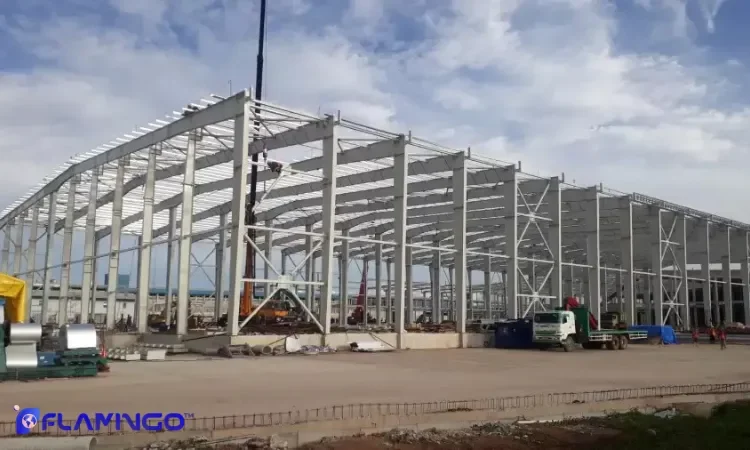
The erection and installation phase is one of the most critical stages in industrial shed construction. During this phase, prefabricated steel components are assembled on-site to form the main structural framework. Precision, coordination, and strict safety control are essential to ensure structural accuracy, stability, and long-term performance.
Column & Beam Installation
Structural erection begins with the installation of primary steel columns, which serve as the vertical load-bearing elements of the industrial shed. These columns are positioned on pre-prepared anchor bolts embedded in the foundation. Heavy lifting equipment such as mobile cranes or tower cranes is used to lift and place each column accurately.
Once the columns are secured and temporarily braced, steel beams and roof trusses are installed to connect the columns and form the main structural skeleton. During this process, engineers carefully monitor alignment, verticality, and leveling to ensure the structure matches the approved drawings. Any deviation at this stage can affect load distribution and overall structural performance.
Bolted or welded connections are then finalized according to design specifications. Proper torque tightening and welding inspections are conducted to guarantee strong and reliable connections that can withstand operational loads.
Bracing System Setup
After the primary frame is erected, bracing systems are installed to enhance the lateral stability of the industrial shed. Bracing elements include cross bracing, portal bracing, and roof bracing, all designed to resist horizontal forces such as wind pressure and seismic activity.
These systems help distribute lateral loads evenly across the structure and prevent excessive sway or deformation. Proper installation of bracing components is crucial, especially for large-span industrial sheds where lateral forces can significantly impact structural behavior. Engineers verify the placement and tension of bracing members to ensure optimal performance under dynamic loading conditions.
Safety Measures During Erection
Safety is a top priority during the erection and installation of steel structures due to the involvement of heavy machinery, working at heights, and large structural components. Workers are required to follow strict safety protocols, including the use of personal protective equipment (PPE) such as helmets, safety harnesses, gloves, and high-visibility clothing.
Secure lifting practices are enforced to prevent load imbalance or accidental drops. Only certified crane operators and trained riggers are allowed to handle lifting operations. Controlled access zones are established around the erection area to protect personnel from potential hazards.
Regular safety briefings, equipment inspections, and supervision ensure that risks are minimized throughout the erection phase. Effective safety management not only protects workers but also helps avoid delays, damage to materials, and costly project interruptions.

Roofing & Wall Cladding Installation
Roofing Sheet Types
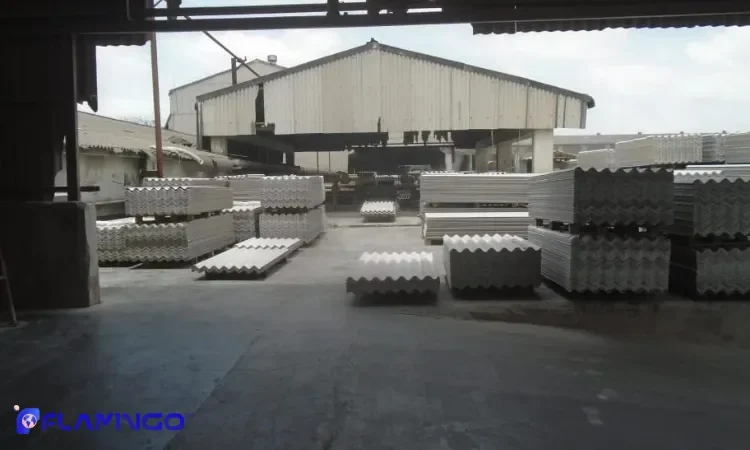
Roofing systems typically include galvanized steel sheets, aluminum sheets, or insulated sandwich panels. The choice depends on climate conditions, insulation requirements, and budget considerations.
Wall Panels & Insulation
Wall cladding enhances weather resistance and thermal performance. Insulated panels help maintain internal temperature, reduce energy consumption, and improve working conditions inside the industrial shed.
Ventilation & Skylights
Ventilation systems and skylights are installed to improve air circulation and natural lighting. These features enhance energy efficiency and create a more comfortable work environment.
Read More : Road Construction in Oman
Finishing Works & Final Inspection
Painting & Anti-Corrosion Coating
Protective coatings and industrial-grade paints are applied to steel components to prevent corrosion and extend the structure’s lifespan. These treatments are especially important in humid or coastal environments.
Structural Stability Check
A final structural inspection is conducted to verify alignment, connections, and load-bearing capacity. Engineers ensure that the industrial shed construction meets all design and safety requirements.
Compliance with Safety Standards
The project is reviewed for compliance with local building codes and international safety standards. Only after successful inspection is the shed approved for operational use.
Conclusion
Industrial shed construction is a highly structured and technical process that requires careful planning, precise engineering, and professional execution at every stage. From initial site assessment and soil testing to final inspection and safety compliance, each step plays a critical role in determining the performance, durability, and long-term value of the structure.
A well-executed industrial shed construction process ensures structural stability, operational efficiency, and adaptability to future expansion. Proper design considerations, accurate load calculations, and the use of high-quality materials significantly reduce risks such as structural failure, excessive maintenance costs, and operational downtime. Equally important are controlled fabrication, safe erection practices, and compliance with industry standards, which together guarantee the reliability of the finished structure.
By following a step-by-step approach, project owners can maintain better control over costs, timelines, and quality. Early-stage planning and professional supervision help prevent common construction mistakes and ensure that the industrial shed meets both functional requirements and regulatory expectations. Whether the project involves a warehouse, manufacturing unit, or logistics facility in oman, a systematic construction process leads to better performance and longer service life.